

Prescription drugs cause common side effects that we often hear about, but over-the-counter drugs to treat pain, allergies, and colds come with their own risks that most of us may never consider.
“If it’s over-the-counter, a lot of people just assume it’s safe and it’s not going to cause any issues,” says Brooke Fitch, DO, internal medicine physician on the medical staff at Methodist Southlake Medical Center. “That’s not necessarily true.”
Anyone who takes over-the-counter pain killers every day may be trading the temporary relief of joint pain for stomach ulcers down the road. Similarly, patients who use allergy drugs every night to fall asleep could be raising their risk of dementia years from now.
Dr. Fitch shares those and other risks associated with some common over-the-counter drugs and safer alternatives to consider.

IBUPROFEN
Ibuprofen (sold under the brand names Advil and Motrin) is a nonsteroidal anti-inflammatory drug (NSAID) that blocks the body from making prostaglandins — chemicals that can lead to pain and inflammation if there is an excess amount in the body.
“Ibuprofen is really good for pain relief, but a lot of people don’t realize that if you take it daily, consistently, it can cause a gastrointestinal bleed, ulcers in the stomach, and issues with the kidneys,” Dr. Fitch says.
If people find themselves needing ibuprofen regularly, Dr. Fitch suggests they should talk to their doctor about safer prescribed medication that reduce inflammation, such as meloxicam (Mobic) or celecoxib (Celebrex).
Safer alternative: While ibuprofen serves an important role in regulating inflammation, she says people should instead look to acetaminophen (Tylenol) if they need help with over-the-counter pain relief.
“If you have a healthy liver, you can take up to 4 grams [4,000 milligrams] a day of Tylenol,” Dr. Fitch says. “The important difference to note between ibuprofen and Tylenol is that Tylenol will not work on inflammation.”
If you choose to take ibuprofen, Dr. Fitch recommends taking it with plenty of water to help improve blood flow to the kidneys and plenty of food to prevent stomach irritation.

DIPHENHYDRAMINE
Diphenhydramine (Benadryl) is used to treat cold and allergy symptoms by reducing the effects of histamine, a chemical released by the immune system during allergic reactions. This drug crosses the blood-brain barrier, which has a sedative effect.
“A lot of people use it for allergies, and then they also use it to help them fall asleep at night,” Dr. Fitch says. “In older people, it increases the risk of falls and confusion, and it’s also being linked to dementia in some recent studies.”
Dr. Fitch says diphenhydramine should be reserved for immediate allergic reactions instead of daily use.
Safer alternative: For people with allergies, look to second-generation antihistamines, most of which help with allergy symptoms without crossing the blood-brain barrier.
“You can take Zyrtec, you can take Allegra, you can take Claritin; those are all much safer,” Dr. Fitch says. “They’re a lot less sedating, so they carry much lower risks of falls and sedation.

NASAL SPRAYS
Dr. Fitch says another common concern among patients is congestion that lasts for months at a time. They may turn to a nasal spray that can do more harm than good.
“You find out they started using Afrin and it works, and they don’t want to get off the Afrin because it works so well,” Dr. Fitch says. “But, the actual cause of the congestion in the end is the Afrin.”
She says oxymetazoline (Afrin) is safe to use for one to two days at a time. Using the medication for a longer period leads to the body relying on the medication
Afrin works by constricting blood vessels, which decreases swelling and inflammation, leading to a wider space for air to pass through the nose. When you stop using it, the blood vessels dilate and the inflammation returns.
Safer alternative: Fluticasone (Flonase), azelastine (Astepro), and saline sprays can help clear congestion without the risk of making the problem worse.
“A better option, especially for allergies, would be Flonase,” says Dr. Fitch. “You can also just use a saline nasal spray. Azelastine tastes really gross, but it does work, and it’s more for the allergy side of things.”
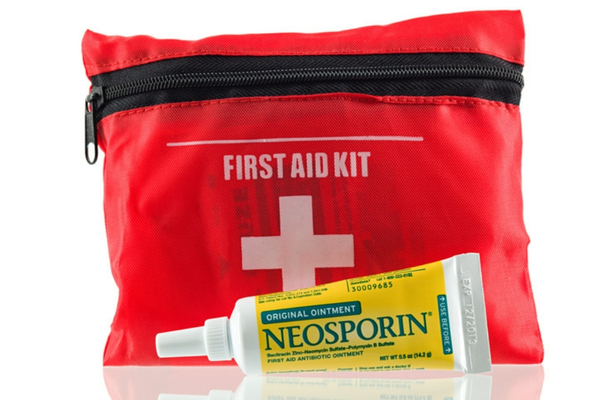
TRIPLE ANTIBIOTIC OINTMENT
After a minor cut, scrape, or burn, many people turn to triple antibiotic ointments like Neosporin to keep the injury from getting infected. These ointments contain bacitracin, neomycin, and polymyxin B, which work together to kill bacteria on the skin.
Dr. Fitch says using products like these can lead to extensive skin irritation, particularly as a reaction to the neomycin. Neomycin can cause contact dermatitis, which is often mistaken for an infection.
Safer alternative: Keeping the infected area clean with soap and water (and drying it off afterward) should do the trick to help it heal, Dr. Fitch says.
“However, if the injury is deep and infected, be sure to see your doctor,” she says.
USE IN MODERATION
When you have health concerns, Dr. Fitch says, it’s important to be honest with your doctor right away about your medication use, including the ones you’re taking without a prescription.
“I like to just make sure my patients know to let me know what they’re taking over-the-counter so I can monitor for any side effects,” she says.
Dr. Fitch says there are many benefits to taking over-the-counter medications in moderation, as long as they are used properly and to fix a specific, temporary problem.
“I also want patients to be informed and know, it’s okay if you take this, but you need to know what the risks are and what the benefits are, and if there’s a better alternative out there,” she says.





Connect With Methodist