

Chronic pain may seem inevitable at a certain age, but reaching for a pill bottle for minor aches and pains could raise the risk of kidney disease.
That’s because over-the-counter nonsteroidal anti-inflammatory drugs (NSAIDs) like aspirin, ibuprofen (Advil), and naproxen sodium (Aleve) work by blocking a chemical (prostaglandins) that causes inflammation and also keeps blood flowing to the kidneys.
“If someone takes them on a daily basis, these medications force the blood vessels supplying the kidneys to constrict,” says Parin Makadia, MD, nephrologist on the medical staff at Methodist Richardson Medical Center. “They essentially choke off the oxygen and blood supply that’s essential for their survival.”
What’s more, research suggests NSAIDs can actually inhibit the natural healing process by blocking the chemicals that encourage blood flow to an injury.
Dr. Makadia shared these and other kidney health tips during a recent education webinar for Methodist Generations, an education and enrichment program for older adults. Watch the full webinar here after registering.
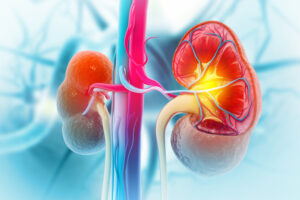
KIDNEYS AT RISK
When taken regularly, NSAIDs narrow the blood vessels that supply the kidneys, and over time, that reduced blood flow can damage and scar tiny filters within the organs, Dr. Makadia explains.
“Healthy kidneys rely on millions of microscopic filtering units called nephrons,” Dr. Makadia says, “and those filters need a constant supply of oxygen-rich blood.”
Starved of that necessary blood flow, healthy nephrons die off, and those that remain must work even harder to compensate.
“That extra workload can damage those remaining filters as well, leading to declining kidney function,” Dr. Makadia says.
Join Methodist Generations to unlock access to health and wellness resources Visit MethodistHealthSystem.org
While occasional NSAID use for minor aches and pains is generally appropriate for many people, taking a daily low-dose aspirin may be just what the doctor ordered for patients with heart disease.
But for most people, and especially anyone living with chronic kidney disease, popping painkillers every day is risky — and not just for your kidneys. NSAIDs can also cause stomach ulcers.
Dr. Makadia recommends avoiding daily use whenever possible, particularly for people living with chronic kidney disease or other conditions that affect kidney function.
“If they’re taken once in a while for a headache or minor aches and pains, that’s OK,” Dr. Makadia says. “But these medications should not be taken on a daily basis.”

OTHER OPTIONS
Not all over-the-counter pain relievers work the same way. For example, lidocaine patches and gels numb localized areas, while capsaicin creams (made from chili powder extracts) block joint and nerve pain.
“NSAIDs help relieve pain by reducing inflammation, which is why they’re often used for conditions like arthritis, muscle strains, and other injuries where swelling is contributing to the pain,” Dr. Makadia says. “Icy Hot and Aspercreme are more of a local anesthetic.”
Acetaminophen also works differently. Rather than treating inflammation, it relieves pain by blocking signals to the brain. Tylenol is also processed mainly by the liver rather than the kidneys, making it a safer option for people with kidney disease when used as directed.
“That doesn’t mean acetaminophen is the right choice for everyone,” Dr. Makadia says. “The safest pain reliever depends on your overall health and medical history, so it’s important to talk with your healthcare provider before taking any medication on a regular basis.”
Physical therapy may also be a better alternative than reaching for pain relievers most days of the week, Dr. Makadia says.

PROTECT YOURSELF
The bottom line: Diagnosing and treating the underlying cause of chronic pain is preferable to dulling the pain by reaching for a bottle of pain reliever every day.
What’s more, Dr. Makadia suggests discussing the use of any over-the-counter medications and dietary supplements with a doctor, for the sake of your kidneys and overall health.
“Many people don’t realize these products can affect kidney health or interact with prescription medications,” he says.
Finally, Dr. Makadia recommends asking a healthcare provider whether routine kidney screening is right for you because kidney disease can be a “silent killer” that often develops without noticeable symptoms.
“Simple tests like your estimated glomerular filtration rate, or eGFR, and your urine albumin-to-creatinine ratio can help detect kidney disease before symptoms develop,” Dr. Makadia says.





Connect With Methodist