
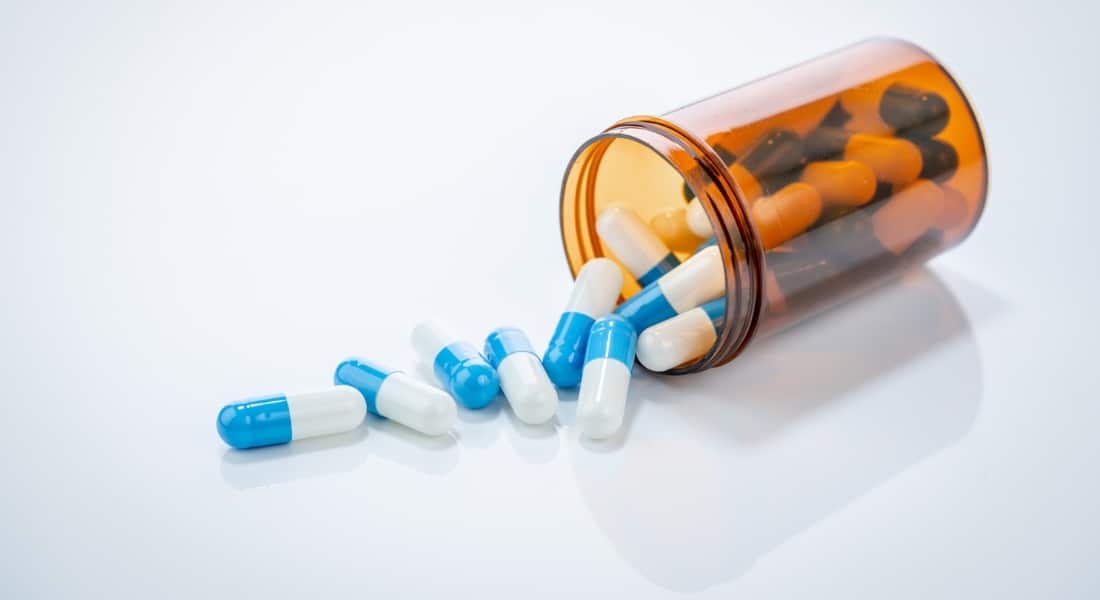
Antibiotics have helped double the average human lifespan, but decades of overuse and misuse have also given rise to “superbugs” — bacteria that are resistant to these lifesaving drugs.
The good news is that there are precautions that people can take to help slow the spread of these potentially deadly germs, says Ahmed Abubaker, MD, infectious disease specialist on the medical staff at Methodist Dallas Medical Center.
“Antibiotic resistance is something we can all help fight,” Dr. Abubaker says. “Simple actions like taking antibiotics correctly, staying up to date on vaccines, and washing your hands can make a real difference.”
Dr. Abubaker shared precautions we all can take to stop the spread of drug-resistant bacteria during a presentation to Methodist Generations, an education and enrichment program for older adults.
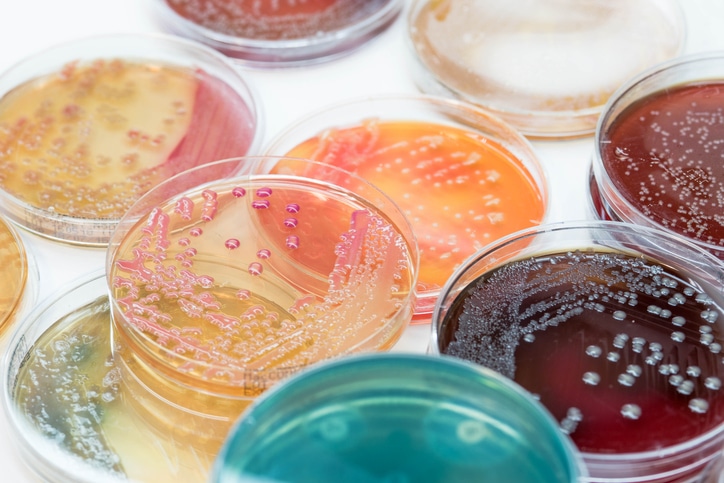
Mutations make some germs especially resistant to medications.
WHAT IS A SUPERBUG?
A superbug isn’t a special type of germ. It’s a bacteria, like strep or MRSA, or sometimes a fungus that has developed resistance to medications made to fight it.
“It doesn’t mean your body is resistant to antibiotics,” Dr. Abubaker explains. “It means the bacteria have changed in a way that allows them to survive the medications that once worked.”
Bacteria naturally multiply and change over time. Most of those changes don’t matter. But occasionally, a mutation helps bacteria survive exposure to an antibiotic. Those bacteria continue to multiply, eventually creating a strain that is much harder to kill.
Over time, those resistant strains can spread from person to person and throughout communities.
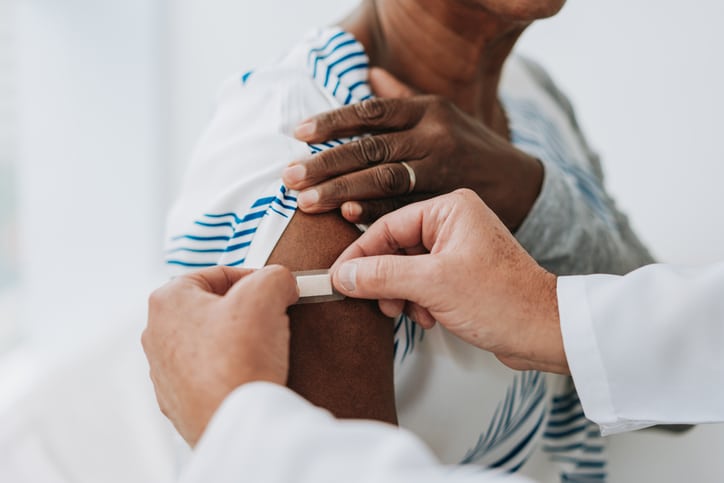
Antibiotics won’t stop a virus, but a vaccine can help us fight the flu.
WHY SO RESISTANT?
One of the biggest drivers of antibiotic resistance is misuse, like when these drugs are prescribed to someone with influenza or the common cold — viruses against which antibiotics have no effect.
“Every time antibiotics are misused, bacteria get another opportunity to become stronger and more resistant,” Dr. Abubaker says.
Resistance can also develop when antibiotics are not taken exactly as prescribed.
“Many patients stop taking antibiotics once they start feeling better,” Dr. Abubaker says. “Feeling better doesn’t always mean the infection is gone.”
Using antibiotics incorrectly doesn’t just affect one person. Resistant bacteria can spread, making infections more difficult to treat for entire communities.
That’s why healthcare providers stress using antibiotics only when necessary and following treatment instructions carefully.

Superbugs can be treated with antibiotics delivered intravenously.
WHO IS AT RISK?
Antibiotic-resistant infections affect an estimated 2.8 million people in the U.S. each year and contribute to approximately 35,000 deaths, according to the Centers for Disease Control and Prevention.
But the impact extends beyond individual infections and can compromise other medical treatments.
Many of the medical treatments people rely on today, including surgery, chemotherapy, organ transplantation, and intensive care, depend on effective antibiotics to prevent and treat infections. As antibiotic resistance grows, those treatments become riskier.
“Some superbugs can only be treated with a limited number of intravenous antibiotics, leaving doctors with fewer options when infections become severe,” Dr. Abubaker says.
Drug-resistant infections can also lead to longer hospital stays, higher healthcare costs, and more serious complications.
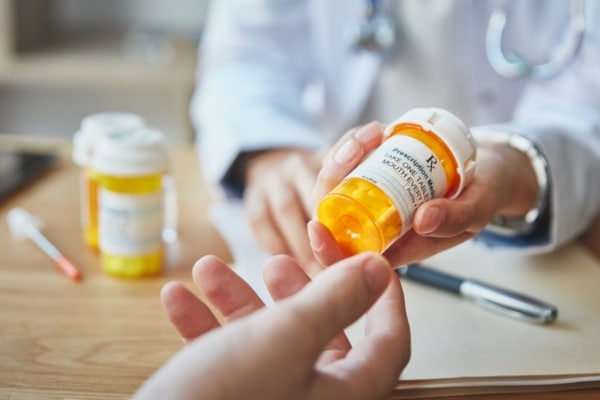
If you do need an antibiotic, be sure to use them all and don’t save them for a future infection.
SLOWING THE SPREAD
There are practical steps everyone can take to help slow the spread of superbugs:
- Only take antibiotics when prescribed by a healthcare provider.
- Never use leftover antibiotics or share them with someone else.
- Always complete the full course of treatment as directed.
Dr. Abubaker also recommends managing chronic health conditions such as diabetes and following food safety guidelines when preparing meals.
“Protecting antibiotics today means protecting our lives tomorrow,” he says.
Antibiotics remain one of the greatest medical discoveries in modern history. Using them wisely can help ensure they continue saving lives for generations to come.