
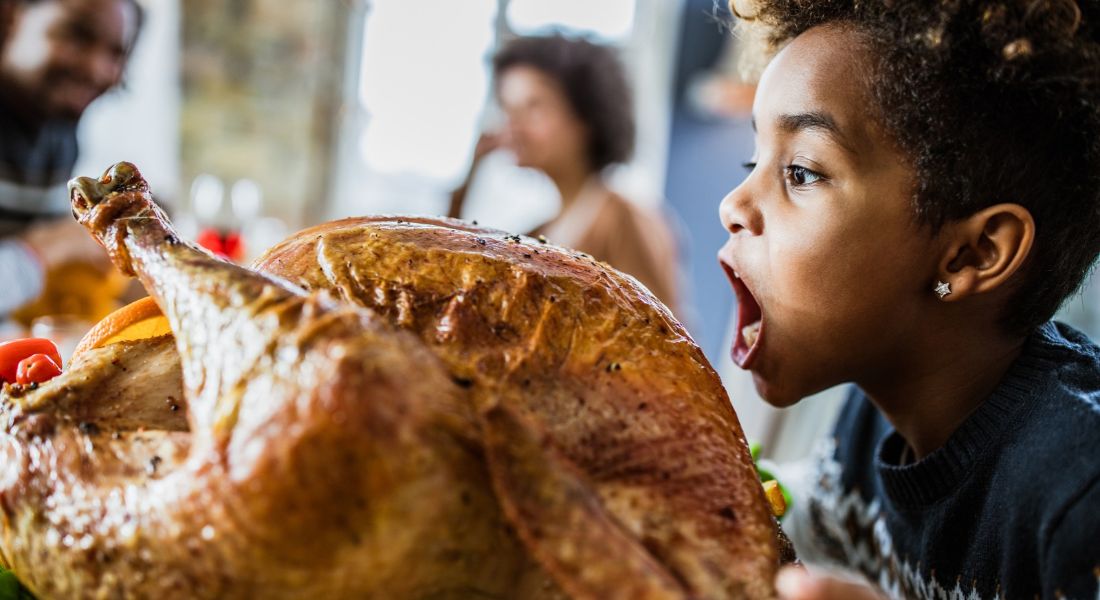
When the holidays roll around, turkey and stockings won’t be the only things getting stuffed. But binging on comfort food often leaves us uncomfortable.
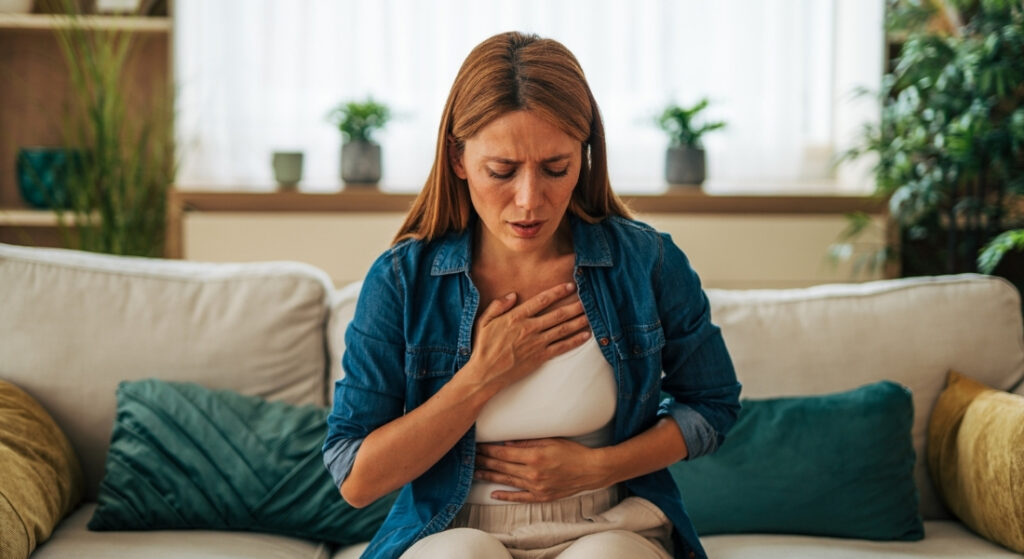
Overeating overwhelms the digestive system, causing bloating and acid reflux, says Ben Elsbernd, MD, gastroenterologist on the medical staff at Methodist Dallas Medical Center.
“When you’re overly full, you may get worsening reflux because the contents can come back up the esophagus,” Dr. Elsbernd says.
Everyone needs a reminder when our eyes are bigger than our stomachs, before going back for seconds and thirds leaves us miserable.
When that happens, Dr. Elsbernd offers a few tips to help your digestive system recover so you can enjoy the holiday season feeling more satisfied than stuffed.

1. GO FOR A WALK
After a big meal, and before sitting down on the sofa to watch football, try lacing up your sneakers to go for a walk.
“Walking and movement tend to stimulate the digestive tract, so it can actually help move things along,” Dr. Elsbernd explains.
There’s no need to break a sweat with a strenuous workout. A slow 20- to 30-minute walk is plenty to help the digestive process without adding extra stress to the body.
The key after a heavy meal is to stay active at a comfortable pace.

2. RESIST NAPPING
A post-meal nap is so tempting, especially after a big meal that includes turkey, which contains tryptophan, an amino acid the body converts to the sleep hormone melatonin.
But lying down with a full stomach can trigger heartburn and acid reflux. Dr. Elsbernd says. He recommends waiting at least two to three hours after eating before taking a nap.
“When you do have an overeating situation, it may need to be extended longer because it’ll take longer for your body to digest all of the food,” he says.
Staying upright allows gravity to do its job, preventing what’s in your stomach from flowing back into the esophagus and reducing the likelihood of reflux.
3. RECOGNIZE TRIGGERS
Not everyone’s stomach handles food the same way. Some people can enjoy a rich holiday meal without any problems, while others experience heartburn after just a few bites of certain dishes.
Dr. Elsbernd notes common reflux triggers include caffeine, alcohol, and spicy food. For people with gastroesophageal reflux disease, or GERD, overeating can make symptoms especially miserable.
“Stretching the stomach causes the valve at the bottom of the esophagus to relax more often, letting contents back up,” he explains.
That extra pressure can overwhelm the natural barrier that keeps stomach contents from regurgitating into the esophagus.
Knowing which foods trigger symptoms can help limit bad reactions.
4. FINDING RELIEF
When heartburn strikes after a big meal, an over-the-counter antacid may offer some relief by neutralizing stomach acid.
“If you know a big meal tends to give you heartburn, taking an acid reducer like Pepcid may help when taken before a meal,” Dr. Elsbernd says. “It typically begins working within 30 to 60 minutes.”
However, these medications can only calm the burn; they won’t necessarily stop the uncomfortable feeling of food coming back up.
Dr. Elsbernd also warns against turning to old-school home remedies such as mixing baking soda and water to soothe heartburn. Baking soda is sodium bicarbonate, which adds a lot of sodium and releases gas in the stomach.
Instead, stick with using antacids as directed and ask your healthcare provider which treatment is appropriate.
5. PACE YOURSELF
The best way to avoid feeling miserable post-dinner is to stop overeating before it starts. That means slowing down, eating smaller portions, and giving your body time to recognize when it’s full.
“The sensation of satiety, or feeling full, takes some time to develop,” Dr. Elsbernd says. “If you eat too quickly, you’ll eat past that point before you actually feel the sensation.”
That doesn’t mean skipping a favorite holiday dish. Instead, start with smaller servings, especially when the table is crowded with tempting options, and give yourself a beat before going back for more.
Trust your gut to advanced GI care at Methodist by finding a digestive health specialist near you. Visit MethodistHealthSystem.org
WHEN TO SEE A DOCTOR
A stomachache after a big holiday feast is normal; constant or severe abdominal pain shouldn’t be brushed off as simply eating too much.
Dr. Elsbernd suggests seeing a doctor if you regularly feel pain after eating even small amounts of food, or if digestive symptoms make it hard to eat.
“It’s time to see someone if you’re having significant pain after a meal that doesn’t seem related to the amount you’re eating, but rather that you’re eating anything,” he says.
Unintentional weight loss or avoiding food because eating causes pain are also reasons to consult a physician. Severe or sudden abdominal pain warrants urgent medical evaluation.
For most people, though, a little moderation and a few easy habits are all it takes to keep the focus of Thanksgiving where it belongs: on family, gratitude, and great food, rather than an upset stomach.




Connect With Methodist