
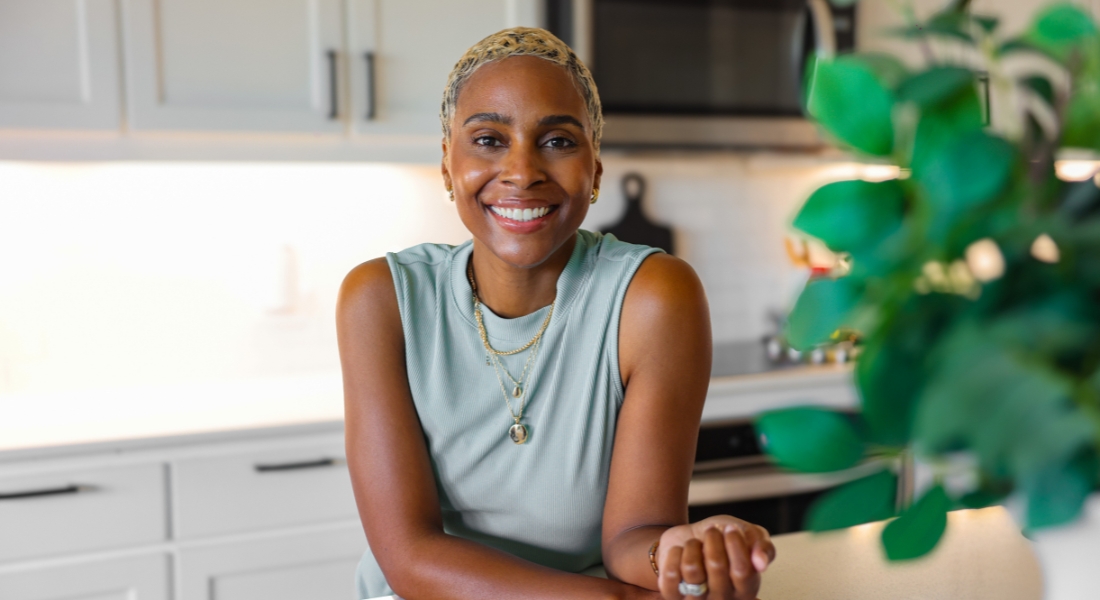
Diagnosed with breast cancer at 33, Kamry Vance turned each appointment into an act of self-care during her treatment at Methodist Southwest Medical Center.
“I treated every chemo day like a spa day,” says the now-35-year-old mother of five from Waxahachie. “I got dressed up. I put my makeup on.”
The ritual helped her maintain a sense of normalcy during treatment for stage 2 breast cancer. Just as important, Kamry says, was the compassionate care she received from the oncology team at Methodist Southwest.
“I really needed great doctors and women who understand,” she says. “Even if I came in sad or uncertain, I would always leave feeling like I can actually get through this journey.”
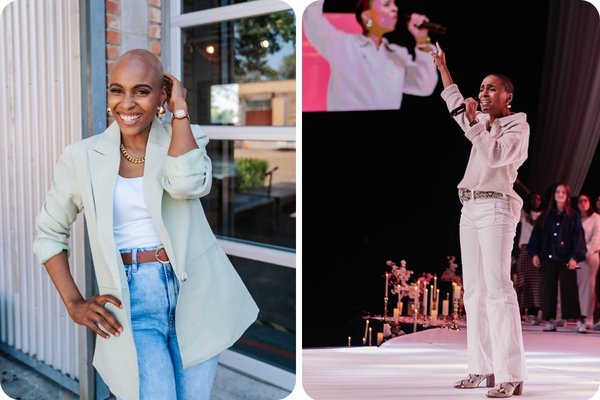
Now, Kamry is cancer-free, and she’s transformed from patient into breast health advocate by taking a starring role at Methodist Southwest’s annual breast cancer fashion show.
“It was such a beautiful experience and a beautiful moment,” Kamry says of reconnecting with her care team and meeting women who understood her journey – a story that began with a self-exam.
The key to preventing breast cancer is managing your risk factors. Take our health risk assessment. Visit MethodistHealthSystem.org
SURPRISING SELF-EXAM
Kamry was watching TV in bed one night in 2024 when she discovered a lump during a breast self-exam. She was healthy and active, so cancer was the last thing on her mind.
“I didn’t think that I could ever get breast cancer,” she says. “I’ve always been health-conscious. I felt like I did everything right.”
But her mother was diagnosed with breast cancer at the age of 47, and family history is a significant risk factor.
After discovering the lump, Kamry’s gynecologist referred her for her first mammogram, a screening test many women won’t get before reaching their 40s.
She would then undergo an ultrasound exam and biopsy that confirmed invasive ductal carcinoma, a type of breast cancer that begins in the milk ducts.
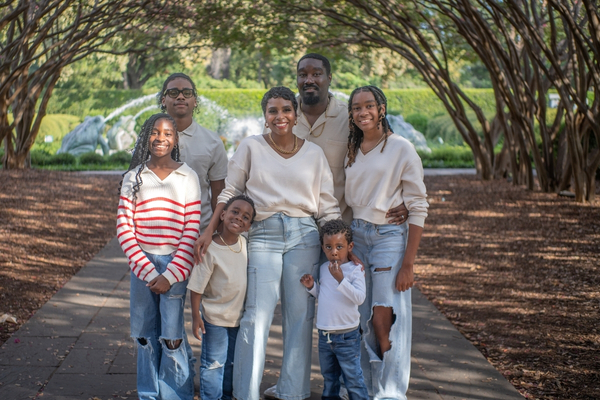
“My heart just stopped for a second when I got the news,” says Kamry, who recalls thinking about her children, ages 4 to 15. “What if I die from this? What’s going to happen? What is treatment going to look like?”
About 10% of new breast cancer cases in the United States occur in women younger than 45, according to the Centers for Disease Control and Prevention.
Despite her diagnosis as such a young age, Kamry was determined not to let fear dictate her future.
“I just chose to focus on hope and strength and perseverance,” she says.
A PARTNER IN HOPE
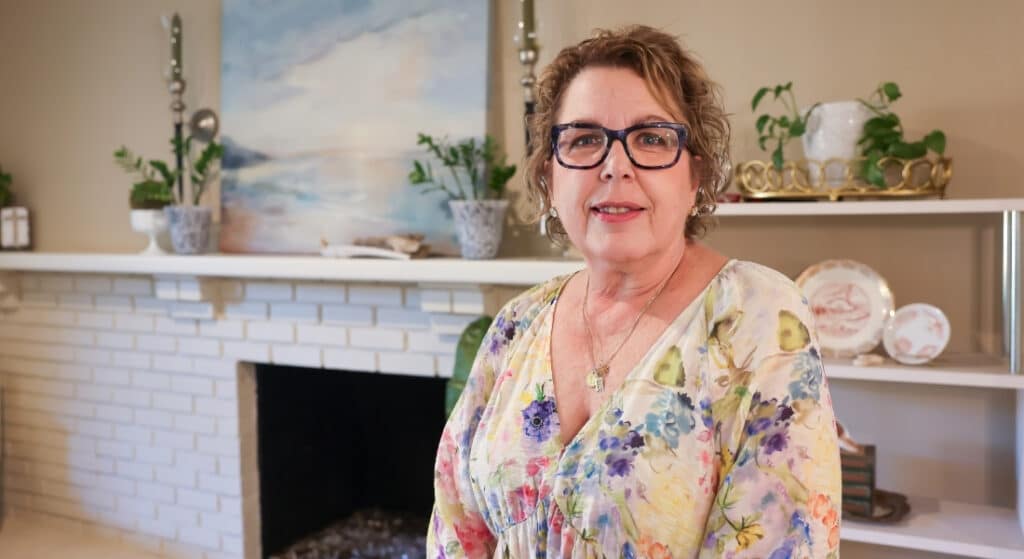
That hope grew after Kamry met Danielle Jacobbe, DO, breast surgeon on the medical staff at Methodist Southwest.
“She was so full of energy and hope,” Kamry says. “She created a warm atmosphere for me where I felt comfortable.”
Kamry’s tumor was more than 3 centimeters in diameter, so her care team recommended chemotherapy to shrink the cancer before surgery.
“Because the tumor was so large, we wanted to shrink the tumor before surgery,” Dr. Jacobbe says.
Kamry underwent eight rounds of chemotherapy at Methodist Southwest, where the staff helped make a difficult experience more manageable. She remembers the nurses’ kindness and the welcoming atmosphere that made her feel comfortable at each visit.
“I was not going to go through this journey just full of doom and gloom and being hopeless,” she says.
Her outlook helped her through treatment, but the medical team gave her another reason to be hopeful. Kamry says chemotherapy worked so well that, by the time she returned for surgery, very little cancer remained detectable.
At Methodist, we don’t just focus on your cancer. We care for you as a whole person. Learn more at MethodistHealthSystem.org
DIFFICULT DECISION
With chemotherapy behind her, Kamry faced another major decision: surgery. Genetic testing also revealed a mutation in her ATM gene, which can increase breast cancer risk.
“At a young age, her lifetime risk of a secondary breast cancer is quite large,” Dr. Jacobbe says.
After considering her options, Kamry chose to have both breasts removed. For the mother of five, the decision was straightforward.
“I felt like my breasts, they had done their job,” she says. “I breastfed all my kids. I was ready for them to go.”
Dr. Jacobbe performed a double mastectomy, also called a bilateral mastectomy, using a nipple-sparing approach that preserves the nipples while removing breast tissue.
Kamry credits her surgeon with helping her feel confident throughout the process.
“She did an amazing job with my surgery,” Kamry says.
Surgery marked a major milestone, but her treatment wasn’t finished. Next came more than 30 radiation treatments, which was necessary because of the size of the tumor.
After months of treatment, Kamry was exhausted but drew strength from a team led by Kesha Harris-Henderson, MD, radiation oncologist on the medical staff at Methodist Southwest.
“The team was so warm and kept me informed throughout the entire process,” Kamry says. “They would also motivate me when I felt like giving up.”
PATIENT TO ADVOCATE
When Kamry learned that her cancer was gone, the relief was overwhelming.
“The cancer had shrunk to where they couldn’t even find it,” she says, no longer having to wonder whether the cancer was growing or responding to treatment. “Everything was good.”
The experience also gave Kamry a new perspective on breast health, particularly for younger women who may not consider themselves at risk. That willingness to share her experience is what Dr. Jacobbe will remember most about her patient.
“She is really just a shining light to the community, to breast health,” Dr. Jacobbe says. “It warms my heart to see someone take a difficult journey and make it into a positive.”
Kamry encourages women to understand their family history, recognize changes in their bodies, and seek medical attention when something doesn’t feel right. That commitment to awareness recently brought her back to Methodist Southwest, this time not as a patient seeking answers, but as an advocate helping other women find them.
“I choose joy, choose to hope,” Kamry told a crowd of survivors and caregivers at this year’s fashion show, “and choose to use this experience to help other people.”




Connect With Methodist