
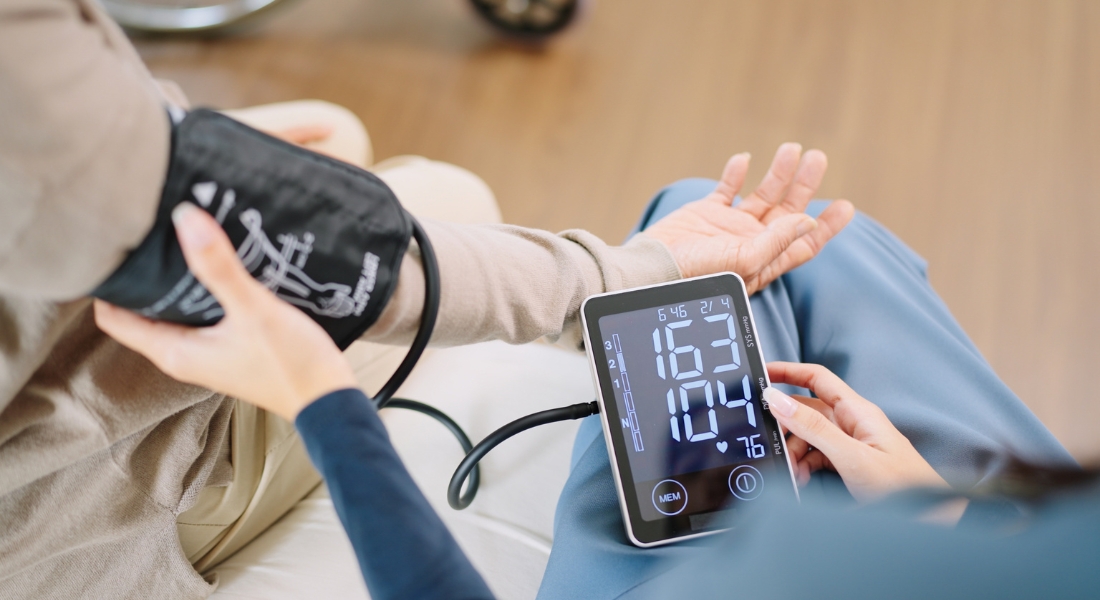
Almost half of Americans suffer from hypertension, and only 1 in 4 of those 120 million people have it under control. Until recently, there were only two proven ways to control high blood pressure: medication and lifestyle modification through diet and exercise.
Now there’s a third option: Renal denervation is a minimally invasive procedure that uses a catheter to disrupt the nerves around the kidneys that regulate blood pressure.
“It’s not so much a replacement for medications or lifestyle changes,” says Anas Alomar, MD, cardiologist on the medical staff at Methodist Southlake Medical Center, “but rather an additional treatment option for patients whose blood pressure remains difficult to control.”
First approved by the Food and Drug Administration in late 2023, the outpatient procedure can lower blood pressure by 5 to 10 mm of mercury (mmHg) using ultrasound or radio waves to target the nerves surrounding the kidneys.
“For someone who has struggled for years with difficult-to-control hypertension, getting blood pressure consistently into a safer range can be a very meaningful result,” Dr. Alomar says.
HOW IT WORKS
The sympathetic nervous system controls bodily functions that we never have to think about: digestion, heart rate, sweating, urination, and blood pressure.
“The kidneys have an important connection to the sympathetic nervous system,” Dr. Alomar says. “In many patients with hypertension, increased sympathetic nerve activity contributes to persistently elevated blood pressure.”
Renal denervation reduces that nerve signaling by destroying some of the nerves surrounding the renal arteries. In a procedure Dr. Alomar compares to cardiac catheterization, a tiny tube is threaded through the femoral artery in the groin to the arteries that supply blood to the kidneys.
“Energy is then delivered to the sympathetic nerves that run around those arteries,” he says. “Both kidneys are generally treated during the same procedure while the patient is under sedation.”
Most patients go home the same day or after a short period of observation.

WHO IT’S FOR
Renal denervation is typically reserved for patients with drug-resistant hypertension, especially those taking several medications with little improvement.
“Before considering the procedure, we want to confirm that there is not another treatable cause contributing to the high blood pressure,” Dr. Alomar says.
Some of those causes may include:
- Sleep apnea: If you’re a frequent snorer, you may want to consult your doctor for a sleep study. Studies show that a CPAP machine can reduce blood pressure for sleep apnea patients in just a few months.
- Too much salt/too little potassium: Our bodies require sodium to function, but we only need about 500 milligrams a day to keep our nerves firing. On the flipside, most of us don’t get enough potassium, which helps relax artery walls and reduce blood pressure.
- Smoking and drinking: Nicotine causes blood pressure to spike and arteries to narrow. Similarly, binge drinking raises your heart rate, and even moderate drinking has been shown to elevate blood pressure over time.
- Being overweight or obese: Losing even a few pounds can significantly lower blood pressure. Weight loss reduces the risk of coronary and peripheral heart disease, as well.
Anyone with advanced kidney disease, especially those on dialysis, may not be ideal candidates for renal denervation.

NOT A CURE-ALL
Dr. Alomar says it’s important to have realistic expectations for this relatively new procedure. The benefits of renal denervation vary from patient to patient and may take months to appear.
“Some patients may be able to reduce the number or dose of medications they take,” he says, “while others may continue their medications but achieve much better overall blood pressure control.”
And, just like medications, the treatment can’t entirely replace lifestyle modifications. Rather, it should be used hand in hand with staying active and eating a healthy diet.
“Renal denervation is another tool we can add to the treatment of hypertension,” Dr. Alomar says. “The best results still come from combining the procedure, when appropriate, with good medical therapy and long-term lifestyle changes.”





Connect With Methodist