
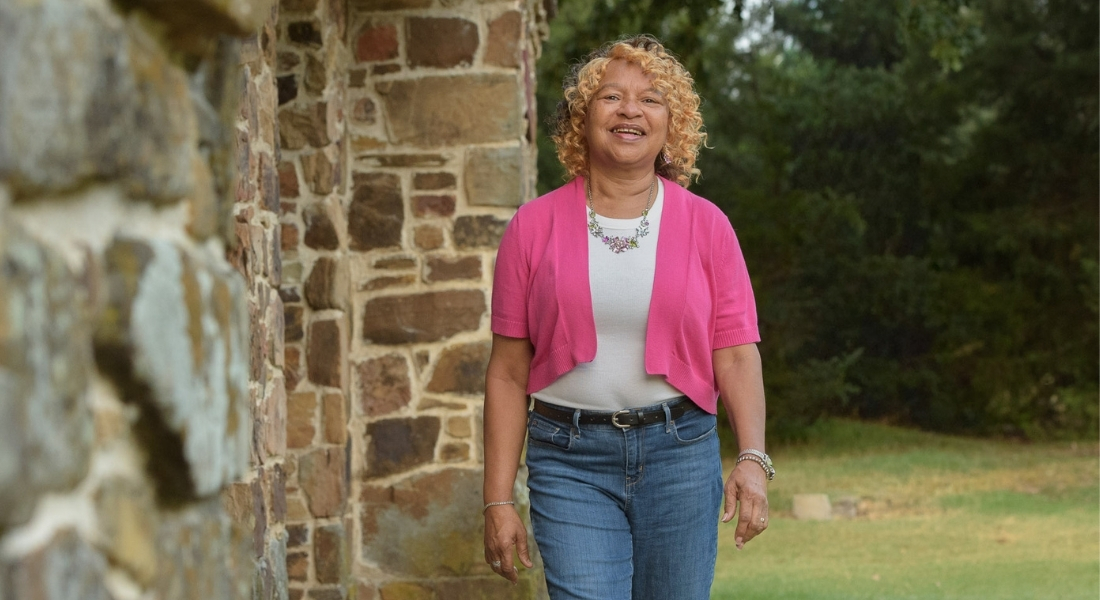
A painful right knee had Janet Johnson feeling way past her prime, until a joint replacement at Methodist Southwest Medical Center revived her independence.
“It was hard to get in and out of the car,” says Janet, who once used a walker to get around. “My kids were helping me like I was a little old lady.”
At just 67, the Dallas resident was tired of relying on pain pills and topical creams. That when she attended a a Methodist Generations seminar at Methodist Southwest and learned about a “permanent fix” — robotic-assisted surgery.
“Now I don’t have to worry about taking pills for my knee because it’s a done deal,” she says. “I’m free from all that.”
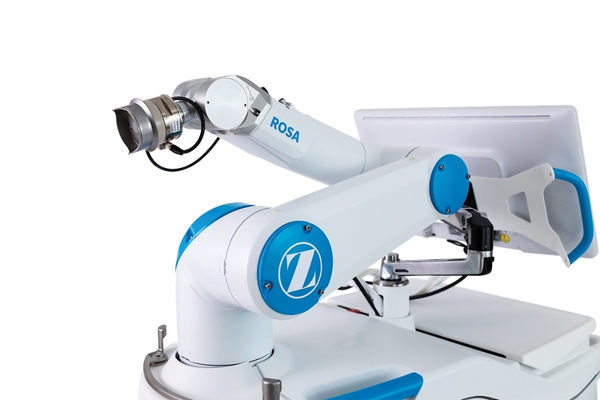
The ROSA Knee System allows surgeons to tailor a replacement joint to each patient’s anatomy.
LIVING WITHOUT PAIN
By the time Janet reached her 60s, arthritis in her right knee had begun to steal her joy and independence.
Steroid injections, physical therapy, and anti-inflammatory medications provided little lasting relief, and Janet eventually needed a walker.
“My knee had been giving me problems for four or five years. I just kept rubbing cream on it, taking pills,” she says. “I thought, I can’t live like this. There’s got to be a better way.”
Around that time, Janet’s sister invited her to a lunch-and-learn hosted by Methodist Generations, a free program for adults 55 and older that combines health education with opportunities to stay active and connected.
At the luncheon, Tyler Freeman, MD, orthopedic surgeon on the medical staff at at Methodist Southwest, spoke about the ROSA Knee System, a robotic-assisted surgical platform that enhances a surgeon’s precision.
Janet was inspired to make an appointment with Dr. Freeman when he said something that struck a chord: “No one should live in pain.”
From sports injuries to chronic orthopedic conditions, our team offers complete care to relieve pain and restore an active lifestyle. Visit MethodistHealthSystem.org
‘RUNNING ON HUBCAPS’
Dr. Freeman compares the knee joint to a car tire for someone struggling with osteoarthritis. Just as tire tread wears down with mileage, the cartilage protecting the joint gradually breaks down.
“By the time I met Janet, she had no cartilage left. We call that bone-on-bone or severe arthritis,” Dr. Freeman says. “It’s like running on hubcaps.”
For Janet, the idea of surgery was daunting. But Dr. Freeman took the time to explain the options and helped her feel confident about moving forward.
“Knee replacement is an outpatient procedure for most people,” Dr. Freeman told her. “So you come in, you have your knee replaced, you go home the same day and sleep in your own bed.”
Janet liked the sound of that: “He told me, ‘It’s your decision. Tell me what you want to do and which way you want to go.’ I said, ‘Well, I’m ready.’”
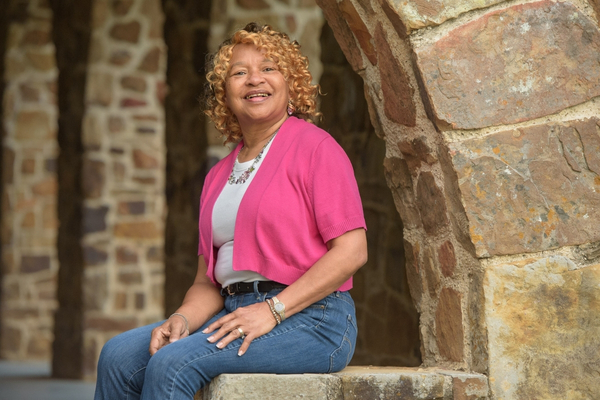
Janet loves the independence her new knee has given her and no longer has any need for a walker.
RECOVERY IN 3 MONTHS
The ROSA platform allows Dr. Freeman to personalize each knee replacement to the patient’s anatomy while also giving the surgeon complete control.
“I create a 3D personalized map of each patient’s anatomy and to their ligament tensioning,” Dr. Freeman says, “so I can tailor each knee replacement to exactly what they need.”
After her robotic-assisted surgery in April 2025, Janet was back on her feet the same afternoon. She continued with physical therapy, which helped her get rid of the walker.
Many patients return to their daily routine within four to six weeks, with most approaching a full recovery in three months.
“People golf, ski, jog, hike, bicycle, swim — whatever they want to do, they’re allowed to do,” Dr. Freeman says. “My goal is to get them back to doing the things they love.”
For Janet, the difference over the past year has been dramatic: She walks around her community and stays busy with her church ministries, preparing meals for elderly members and serving as an usher.
Most importantly, she’s spry enough to get back to making memories with the family members she cherishes most.
“Now I feel good because I can do what I’ve been wanting to do: playing with my grandbabies and nieces,” Janet says, “running up and down at the park and climbing with them.”

Connect With Methodist