
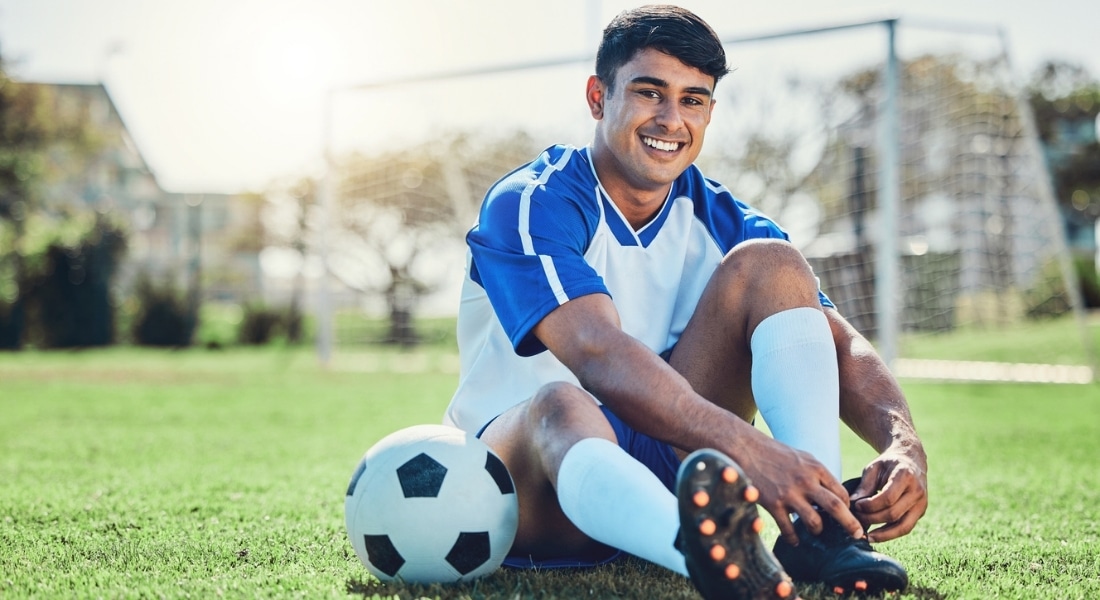
The FIFA World Cup is coming to North Texas, along with millions of soccer fans from around the world. That may inspire more than few amateur athletes to dust off their cleats and hit the pitch for a pickup game.
The so-called “beautiful game” offers good cardiovascular exercise for players of all ages and skill levels, but it also comes with a risk of injury, from concussions and ankle sprains to knee injuries and stress fractures.
“Players can recover from strains and sprains quickly when they are rehabbed correctly,” says Sarah Abdellatif, DO, CAQSM, sports medicine specialist on the medical staff at Methodist Southwest Medical Center. “But stress fractures are more difficult to heal from.”
Dr. Abdellatif shares some common injuries associated with soccer and offers tips to play it safe.
CONCUSSIONS
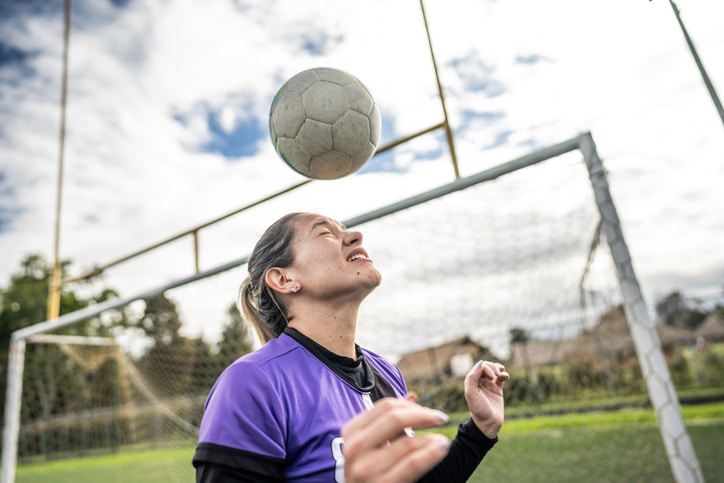
Concussions are among the most serious injuries associated with soccer because headers are such a common part of the game.
“There is no good way a soccer player can avoid a concussion,” Dr. Abdellatif says, “but one way is to reduce headers.”
Many children’s leagues prohibit players from hitting the ball with their heads, and adult amateurs may be wise to do the same.
Some of the most common signs of a concussion:
- Headaches
- Nausea
- Dizziness
- Forgetfulness
- Feeling mentally “slow” or foggy
“Honestly, if someone feels different after a head injury, then it is most likely a concussion,” Dr. Abdellatif says.
Any suspected concussion should be taken seriously, and athletes should avoid returning to play until they can be evaluated by a medical professional.
ANKLE SPRAINS
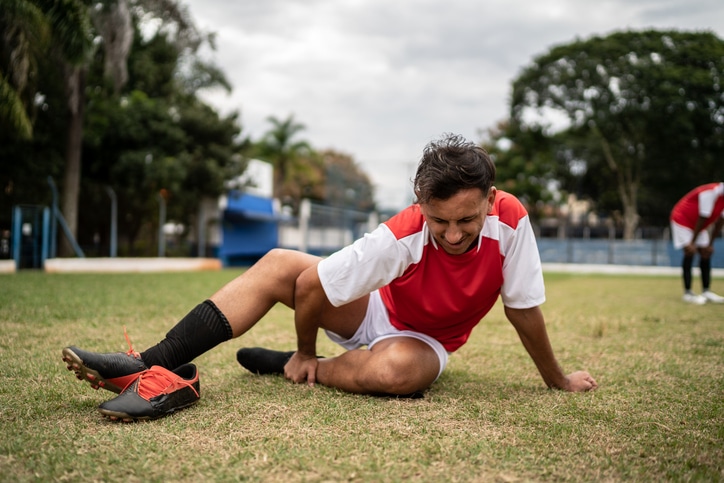
Ankle sprains are one of the most common injuries in soccer because the sport requires frequent cutting, pivoting, and sudden changes in direction. Wearing proper footwear can help prevent foot and ankle injuries.
“Cleats help provide joint stability since they dig into the ground and also protect the feet,” Dr. Abdellatif says.
Many mild ankle sprains can be treated using the RICE method:
- Rest: Give your body a chance to heal and avoid further stress on injured tissue.
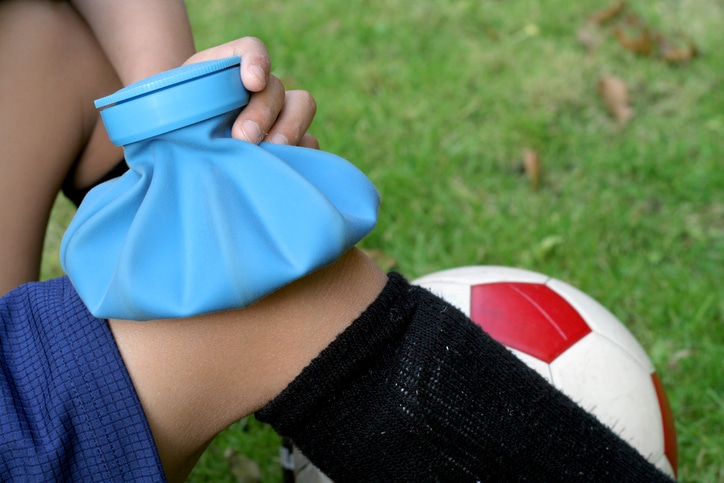
- Ice: Cold numbs injured tissue and constricts blood vessels to relieve pain and inflammation, but limit ice baths and cold compresses to 10-minute intervals.
- Compression: A bandage or brace can help compress injured tissue and control swelling.
- Elevation: If possible, raise the injured ankle above heart level to slow blood flow to the injury and encourage drainage from the lymphatic system.
“Most of the time, players can treat ankle sprains at home,” Dr. Abdellatif says, “but they should definitely see a physician when unable to walk or support themselves for more than three steps.”
Severe swelling, called edema, that doesn’t improve is another red flag, as is a visible deformity or if you can’t feel your foot. Failing to properly treat severe ankle injuries can lead to long-term instability in the joint or chronic pain that can linger for years.
KNEE INJURIES
Knee injuries are especially common in soccer because players must stop on a dime, constantly twist their lower bodies, and often come into contact with other players.
One of the most concerning injuries is a torn anterior cruciate ligament, or ACL, can also be one of the most difficult for most of us to recognize.
“Players with a sprain or strained knee may barely be able to walk, while sometimes a patient with a torn ACL can still walk, even though they do have significant knee swelling,” Dr. Abdellatif says.
Because symptoms vary so widely, players who injure a knee during a game or practice should seek prompt medical evaluation.
“The best way to prevent knee injuries is to strengthen the legs and do resistance training,” Dr. Abdellatif advises. “Braces are helpful if there is already a minor injury, but they do not necessarily prevent injuries.”
From sports injuries to chronic orthopedic conditions, our team offers complete care to relieve pain and restore an active lifestyle. Visit MethodistHealthSystem.org
GROIN STRAINS
Groin pain is another common complaint among soccer players. Minor strains and sprains often improve relatively quickly with proper rehabilitation and rest.
“If groin pain is not improving, it is best to get it checked out to ensure that it is not a groin pull versus a stress injury,” Dr. Abdellatif says.
Sports hernias and injuries to the adductor muscle on the inner leg generally require longer recovery times and more careful treatment plans.
If pain continues to worsen, consult a physician right away to prevent more serious complications.
PROTECT YOURSELF
Whether playing recreationally or competitively, athletes should always use appropriate soccer equipment to help minimize injury risk.
Shin guards are especially important because they help absorb impact and reduce the risk of soft tissue injuries, bone bruises, and fractures.
“Amateurs’ shins are not conditioned, making shin guards so important in preventing injury,” Dr. Abdellatif says.
While injuries are a natural part of sports, early recognition, proper treatment, and training can make a difference in a quick recovery from any injury.
Above all, listen to your body and seek medical care when symptoms persist because enjoying one of the world’s most popular sports depends on good health.