
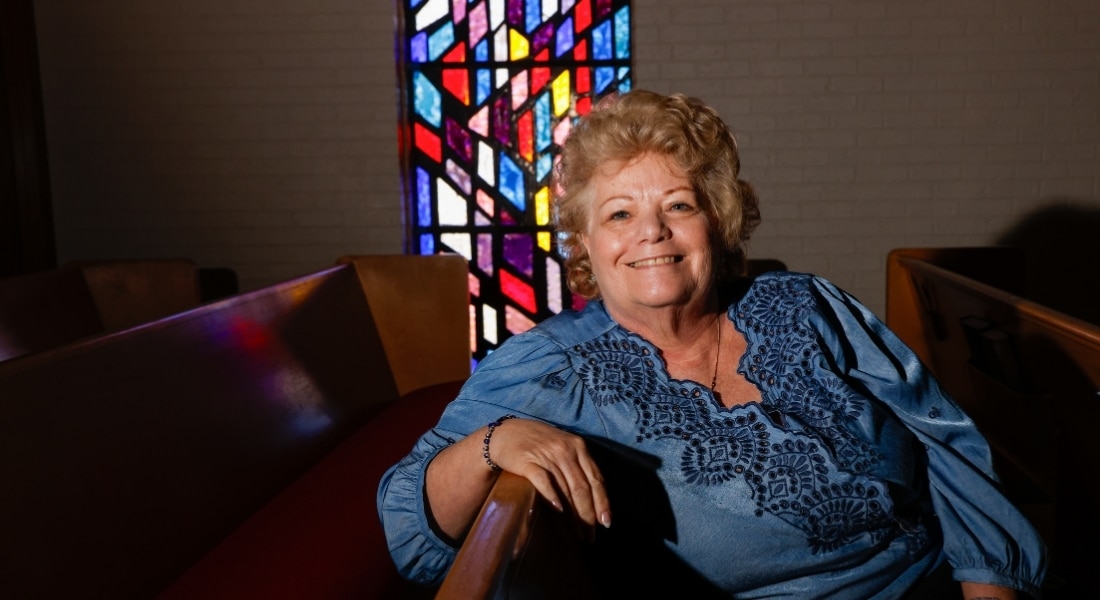
A cold sweat while teaching Sunday school ultimately led Laura Nowak to Methodist Midlothian Medical Center, where she learned she had suffered a heart attack.
“It was cold out that morning, but I was sweating in a way that was not normal for me,” Laura recalls about that Sunday in March 2026. “Later that day, I started feeling very tired, and by evening, I was feeling dizzy.”
The 66-year-old retiree from Niagara Falls, New York, moved to Midlothian just two years ago, but she’s already experienced lifesaving treatment at her neighborhood hospital.
“I am so grateful to every tech, nurse, and doctor who cared for me,” Laura says. “The care was extraordinary from start to finish.”
FROM ER TO CATH LAB
Laura moved to North Texas to be closer to her children and grandchildren and quickly became an active member of the community, joining the local Lions Club and volunteering at First Methodist Church in Midlothian.
She was teaching Sunday school on March 8 when she began feeling the symptoms of what she would later learn was a cardiac emergency. But at first, she suspected low blood sugar or possibly a virus.
Heart disease is the No. 1 cause of death for both sexes, but the symptoms aren’t always the same. Rather than chest pain, women may instead experience symptoms like nausea, pain in the jaw or neck, or dizziness and cold sweats — as was the case for Laura.
After calling her son for advice, she agreed to let him take her to the ER at Methodist Midlothian.
“Even though it was late, the ER was busy,” Laura says. “But once I described my symptoms, they took me back right away.”
When is the last time you took a beat? Watch our women’s Heart Month webinar. Visit MethodistHealthSystem.org
The ER staff quickly performed a series of tests, including bloodwork and a chest X-ray. Laura began to realize something more serious might be happening.
Laura has a strong family history of heart disease and always knew the risk she faced. Still, the diagnosis was shocking: She was experiencing a heart attack.
“Two of my heart arteries were almost completely blocked,” she says. “It was terrifying and a bit confusing.”
Laura was experiencing a non-ST-elevation myocardial infarction, caused by a partial blockage of a coronary artery that results in reduced blood flow and damage to the heart muscle.
“I didn’t know heart attacks could occur like this,” Laura says.
IN AND OUT IN 24 HOURS
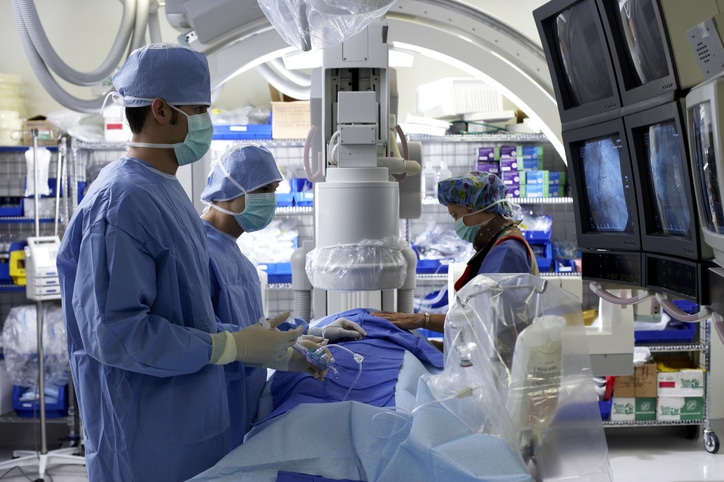
She was admitted for monitoring and informed she would undergo a procedure to open the blocked arteries the next morning in the hospital’s cardiac catheterization lab, a specialized space equipped with advanced imaging to diagnose and treat heart conditions.
Before the procedure, Laura met with Viral Lathia, MD, interventional cardiologist on the medical staff at Methodist Midlothian, who explained he would use a minimally invasive technique called cardiac catheterization to pinpoint and treat the blockages.
“With a full-fledged cath lab at Methodist Midlothian, we are able to perform comprehensive heart catheterizations, as well as various other cardiac procedures that patients may need without delay,” Dr. Lathia says. “Laura was relieved she could receive this level of care at her local hospital.”
Dr. Lathia and the cardiac team restored blood flow to Laura’s heart by placing two stents. The procedure was completed less than 24 hours after she first arrived in the ER.
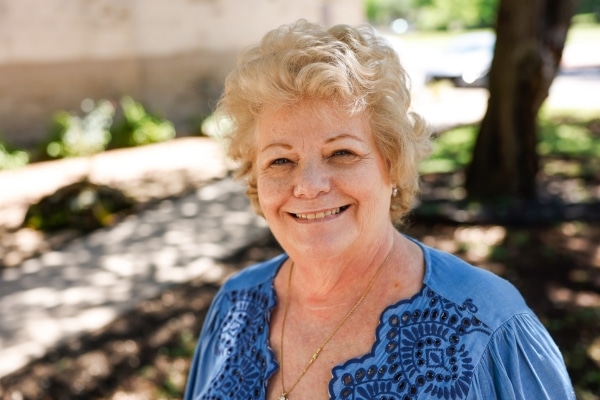
“People should know this hospital is full of amazing providers who can deliver high-level, lifesaving care close to home,” Laura says.