
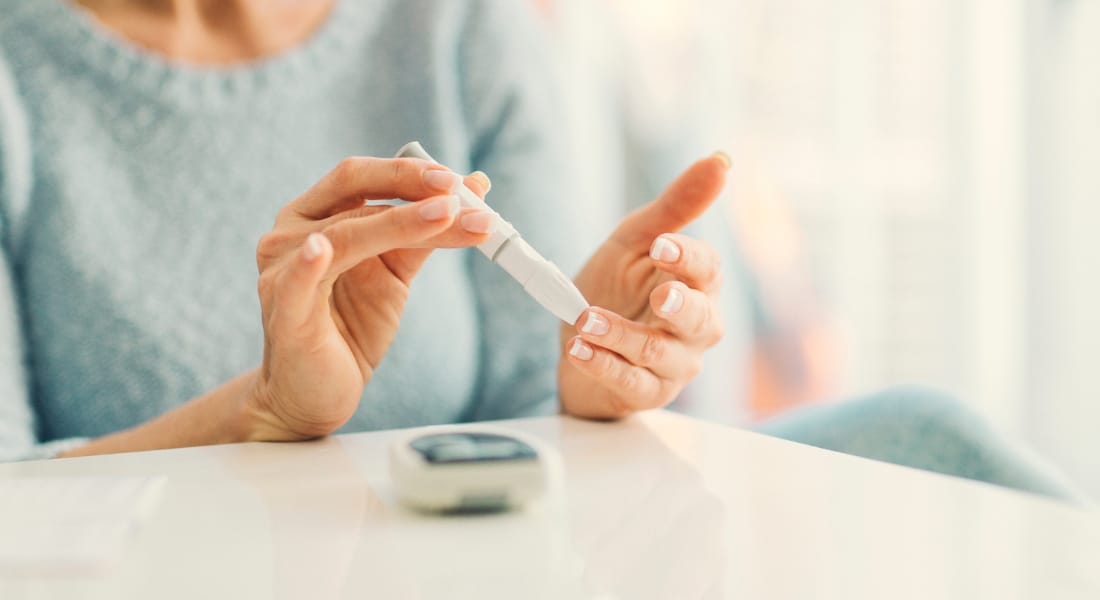
Living with type 2 diabetes means becoming intimately familiar with a certain number: hemoglobin A1c, a percentage that measures the average blood sugar over the past three months.
The conventional guidance for most people with diabetes is to keep that number under 7% to keep the disease under control, but new guidelines emphasize a patient-centered approach that prioritizes risk reduction rather than a number.
“We have really individualized care for diabetes,” says Grant Herrington, MD, endocrinologist on the medical staff at Methodist Dallas Medical Center. “No longer do we just say everyone needs an A1c of 7% or less.”
That’s because measuring blood sugar as a three-month average doesn’t account for potentially life-threatening highs (hyperglycemia) and lows (hypoglycemia) during that time.
“Rather than just looking at A1c we want to look at blood pressure, cholesterol, kidney protection, weight management, sleep apnea — essentially the whole person.”
Dr. Herrington addressed that holistic approach during a presentation to Methodist Generations, an education and enrichment program for older adults.

GLUCOSE MONITORS
Technology has been a game-changer for diabetes care, and that’s especially evident with the growing popularity of continuous glucose monitors.
These quarter-sized devices, attached to the upper arm or abdomen, use a tiny filament inserted under the skin to measure blood sugar every 1 to 5 minutes, no finger sticks required.
“What gets measured gets managed,” Dr. Herrington says. “So if you actually use the data to make some healthy changes, then you can improve your blood sugars.”
A glucose monitor feeds the data it collects to a smartphone app or, in some cases, an insulin pump, and can help patients reduce their A1c by up to 1.6% through lifestyle changes alone.
“The American Diabetes Association now is recommending that we use these even when you’re first diagnosed,” Dr. Herrington says.
HOW MEDICATION FITS IN
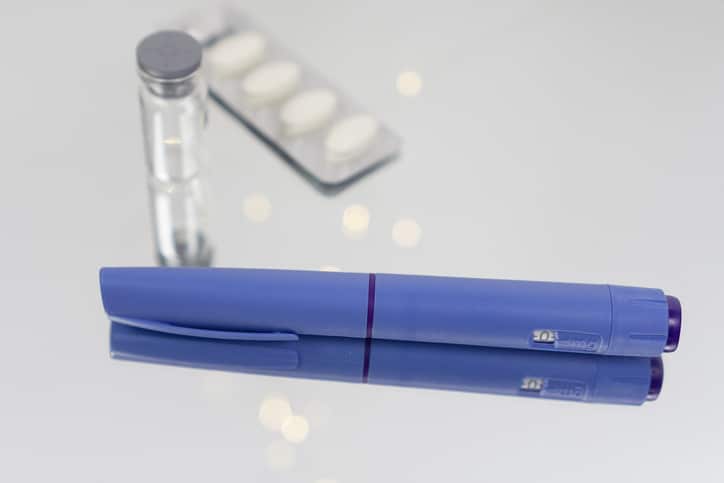
Lifestyle modifications like losing weight, eating healthier, and getting active may not resolve diabetes for everyone. That’s when doctors take the next step.
“In the last 30, 40 years, we’ve had an explosion of diabetes medicines,” Dr. Herrington says. “We focus on lifestyle behaviors first, and then depending on what medical conditions you have — heart disease, heart failure, kidney disease — we’ll recommend certain medications.”
Medications to control diabetes fall into a few key categories:
- Sulfonylureas: These oral medications stimulate the pancreas to make more insulin. The downside is that they can cause weight gain and dangerously low blood sugar, especially in older adults.
- Metformin: Another oral medication developed in the 1950s, biguanides like metformin work by reducing how much glucose is excreted by the liver and how much sugar your intestines absorb from food. But it can also deplete B12 levels, leading to fatigue and even nerve damage.
- SGLT2 inhibitors: These oral medications manage blood sugar by helping your kidneys pass glucose through urine. Added benefits include lowering blood pressure and weight loss, but they can also lead to yeast infections and dehydration.
- Incretins: The most popular forms of these metabolic hormones are GLP-1s like Ozempic and Mounjaro. They work by slowing down the digestive process and controlling appetite in the brain.
“Pairing insulin with a GLP-1 is probably one of the most effective combinations,” Dr. Herrington says. “There’s good data that it helps to reduce the risk of heart attacks and strokes, and it protects the kidneys.”
There’s no question that medications can be extremely effective in controlling blood sugars, but the first step is having a conversation with your doctor to consider how far lifestyle modifications can go toward achieving your goals.
USING ALL THE TOOLS
About 40 million Americans are living with diabetes, and a third of them have not yet been diagnosed. An additional 115 million adults are estimated to have prediabetes, with an A1c between 5.7% and 6.4%.
Those figures aren’t going down, and that’s why it’s so important to talk to your doctor and develop a plan tailored to your individual needs, even before a diagnosis of diabetes.
“Diabetes care has changed a lot. Now we’re focusing more on prevention,” Dr. Herrington says. “So it’s not just about the A1c, it’s not just the number now. We are trying to use more technology and medications to reduce risk.”
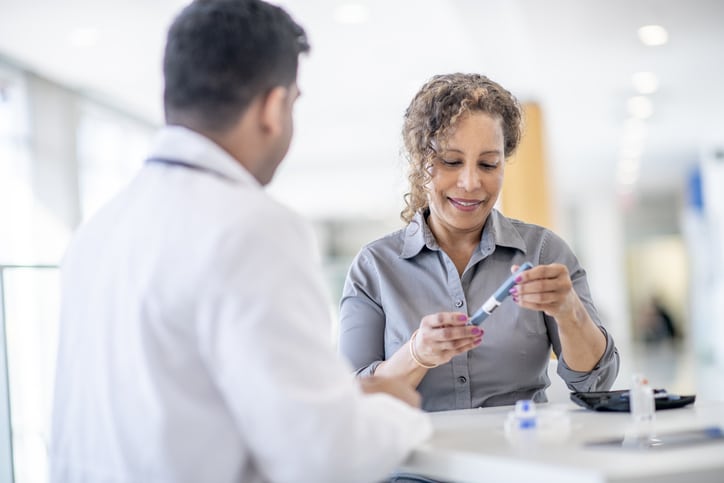
So if your doctor prescribes a medication or recommends a continuous glucose monitoring device, don’t see it as a sign of failure to make lifestyle changes. These are just new tools in the growing toolbox of diabetes treatment.
“The best plan is individualized,” Dr. Herrington says, “and we really need partnership between patients and physicians.”