

Viral illnesses like the flu can make life miserable with the usual fever, aches, and pains, but every respiratory infection also puts stress on the heart, potentially causing far worse problems.
Recent research has found that the risk of heart attack and stroke rises dramatically in the weeks after respiratory infections: three times the risk after a COVID-19 infection and quadruple the risk after a bout of flu, according to the 2025 study.
That connection makes perfect sense, according to Sajjad Haider, MD, a cardiologist on the medical staff at Methodist Mansfield Medical Center.
“When somebody has the flu or COVID, the body is under a lot of stress,” Dr. Haider says. “There are inflammatory hormones released, and a lot of inflammation happens in the body. We know that increased inflammation puts patients at higher risk for heart attacks.”
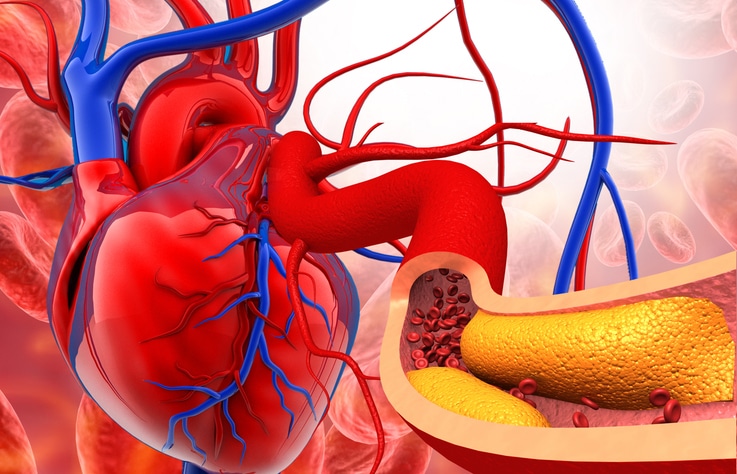
INFECTIONS STRAIN THE HEART
When the immune system responds to a virus, it releases stress hormones and inflammatory signals designed to fight off infection. At the same time, the heart often beats faster, and the body works harder to recover.
“That stress can unmask problems that may not have caused symptoms before,” Dr. Haider explains. “If someone has a blockage that wasn’t significant previously, during a high-stress state the heart may not get enough blood supply. That can trigger a heart attack.”
When is the last time you took a beat? Watch our women’s Heart Month webinar. Visit MethodistHealthSystem.org
Studies have shown that the risk of heart attack rises sharply in the weeks after a laboratory-confirmed flu infection. COVID-19 has also been linked to an elevated risk that may persist for months.
Dr. Haider says he has seen similar patterns in clinical practice.
“I have seen patients who came in with COVID and then developed heart attack symptoms,” he says. “Their bodies were under stress, and that made a difference.”

INFLAMMATION CAN LINGER
One of the more concerning findings from recent research is that cardiovascular risk does not necessarily end when respiratory symptoms improve.
“That inflammation can linger for weeks or even months,” Dr. Haider says, “and during that time the risk remains elevated.”
While anyone can be affected, certain patients should be especially cautious.
“Men are inherently at higher risk for heart disease,” Dr. Haider says. “But everybody should be concerned.”
Patients older than 60 and those with diabetes, high blood pressure, high cholesterol, or a family history of heart disease face increased vulnerability. Anyone diagnosed with heart disease should be particularly vigilant during cold and flu season.
“If you already have heart disease or risk factors, you need to be very careful and stay on top of your treatment,” Dr. Haider says.
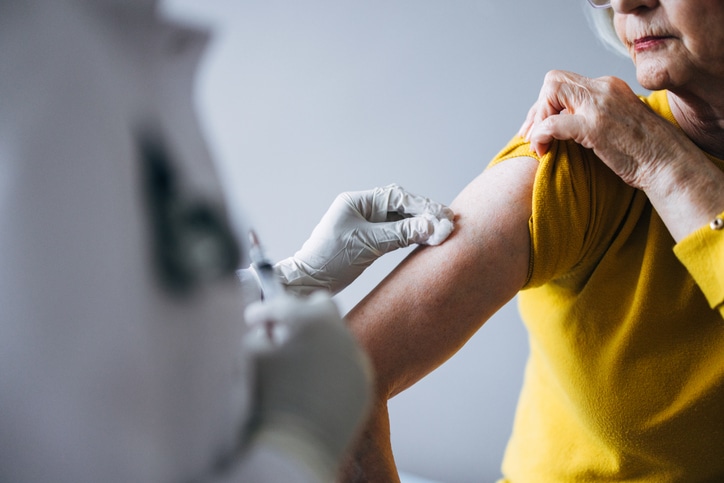
CONSIDER GETING A VACCINE
Prevention is key when it comes to protecting ourselves from heart disease, and vaccination plays an important role.
“If you get vaccinated for flu or COVID, you reduce your chance of getting the infection,” Dr. Haider says. “And even if you do get it, the illness is usually milder.”
A milder infection typically means less inflammation and less stress on the cardiovascular system.
“Vaccination helps prevent your body from entering that high-stress state that can trigger a heart attack,” Dr. Haider says.
In addition to vaccination, he encourages patients to practice good hand hygiene, be cautious around those who are ill, and consider wearing a mask in high-risk situations during peak virus season.

KNOW THE WARNING SIGNS
After recovering from a respiratory infection, it’s important to pay attention to new or worsening symptoms that might signal heart problems:
- Chest pain, tightness, or pressure
- Shoulder pain or pain that travels down the arm
- Pain in the neck, jaw, upper belly, or back
- Fatigue, difficulty breathing, or shortness of breath
Dr. Haider notes that women and patients with diabetes may not experience classic chest pain as a symptom of heart disease.
“They may just feel unwell, have nausea, or unexplained shortness of breath,” he says. “We have to be careful with those patients.”
Dr. Haider urges patients to seek medical attention promptly whenever symptoms like these are unusual and persistent.
“If you’re suddenly more fatigued or short of breath than you were before, that’s something to evaluate,” he says.
This cold and flu season, Dr. Haider’s message is straightforward: Protecting yourself from infection may also protect your heart.
“Taking preventive steps now,” he says, “can help you avoid serious complications later.”





Connect With Methodist